Zabaione — What Is It and Where Can I Find It?
An Sophisticated Italian Dessert Classic You Simply Have To Try
Silky, warming, and deeply aromatic, zabaione (often spelled zabaglione) is one of Italy’s most cherished classic desserts. Neither a standard custard nor a simple dessert cream, zabaione occupies a special place in Italian culinary culture—a simple, elegant creation made by gently whisking egg yolks, sugar, and a splash of fortified wine over a gentle simmer until it transforms into a light, foamy mousse.
Whether enjoyed warm from the bowl on a chilly evening or chilled alongside seasonal treats, at Carluccio's, we think zabaione is a masterclass in Italian simplicity: taking modest ingredients and turning them into something extraordinary.
What Is Zabaione?
At its heart, zabaione is a whipped egg-yolk custard, but what sets it apart from traditional pastry creams (crema pasticcera) is its airy lightness and booze-infused warmth.
By whisking egg yolks and sugar continuously over a bain-marie (water bath), air is trapped inside the mixture while the heat gently cooks the eggs. As it thickens, a fortified or sweet dessert wine—most traditionally Sicilian Marsala, though Moscato d’Asti or Vin Santo are also favoured—is gradually incorporated. The result is a cloud-like cream with a rich golden hue and a complex, bittersweet finish.
The History and Regional Provenance of Zabaione
Like many of Italy’s greatest culinary treasures, zabaione boasts a colourful history with several regions claiming its creation.
Piedmont
The most popular legend traces zabaione back to 16th-century Turin, Piedmont. According to folklore, it was invented by Saint Paschal Baylón (San Pasquale Bajlon), a Franciscan monk who became the patron saint of pastry chefs. The recipe was initially called crema di San Baylón, which evolved over centuries in the local Piedmontese dialect into sanbajon, and eventually zabaione. To this day, Piedmont considers it a hallmark of its dessert heritage, often preparing it with crisp local sparkling wine or Moscato.
Emilia-Romagna & Venice
Other tales point to the 15th-century military captain Giovanni Baglioni (nicknamed Zvàn Bajòun) in Emilia-Romagna. Supposedly, when his troops ran low on provisions, they scavenged egg yolks, sugar, and local wine from nearby peasants, whipping them together over campfires to create a fortifying tonic. Venetian stories, meanwhile, reference a thick coastal beverage called zabaja, brought to Venice via Dalmatian trade routes.
Regardless of which story you prefer, by the 17th century, zabaione was documented in noble cookbooks across northern and central Italy, quickly establishing itself as a luxurious treat served at royal courts and rustic family tables alike.
How Is Zabaione Enjoyed?
One of zabaione’s finest qualities is its versatility. In Italian homes, it has traditionally served both as a standalone dessert and as a rich, aromatic accompaniment to other sweet treats:
-
As a Warm Spoon Dessert: Served immediately after whisking in small glasses, eaten simply with a spoon while still warm and airy.
-
With Fresh Fruit: Poured while warm or lukewarm over ripe berries, sliced figs, or poached pears.
-
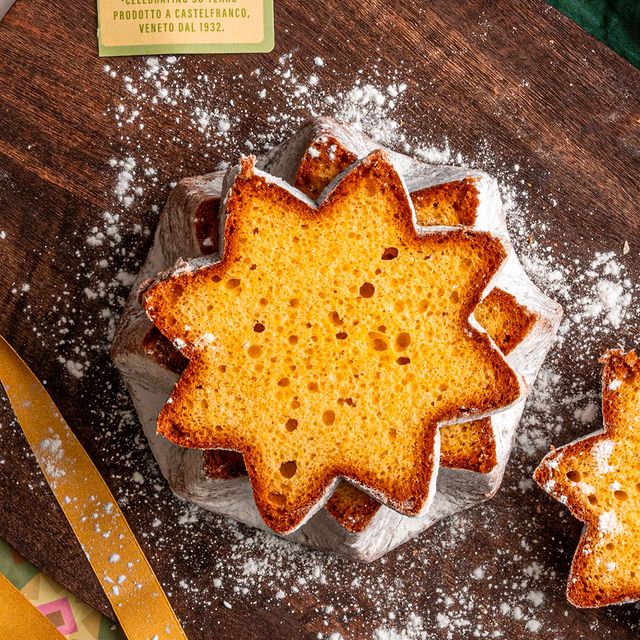
Over Italian Cakes: Spooned liberally over slices of pandoro, rustic olive oil cake, or panettone to add moisture and depth of flavour.
-
As an Indulgent Pastry Filling: Once chilled, zabaione thickens into a velvet-smooth cream used to fill delicate choux pastries, tarts, and festive centerpieces.
Where Can You Find It Today?
While making zabaione at home over a warm stove is a delightful winter ritual, you can also enjoy this luxurious flavour profile prepared by expert artisan bakers in Italy.
If you are looking for the ultimate showcase of zabaione, look no further than Carluccio's online deli.
Our Panettone con Crema Zabaione (950g) brings together two legendary Italian festive traditions. Crafted in Italy using traditional slow-fermentation techniques, this super-soft, buttery sourdough panettone is generously filled with an indulgent, velvety Zabaione cream infused with real Marsala wine. To make it even more decadent, it is finished with a rich coating of dark chocolate and sprinkled with delicate milk chocolate flakes—making it a spectacular gift or the centerpiece of any Italian dessert table.

Bring a true taste of Italian history to your table and discover the silky warmth of zabaione this season.