Do Italians Eat Turkey At Christmas?
When you picture a festive feast in the UK, a roast turkey sitting proudly at the centre of the dining table is often the first image that comes to mind. But travel across to Italy, and you might be surprised to learn that turkey is rarely the star of the show.
While roast turkey (tacchino) does occasionally make an appearance on modern Italian holiday tables—often stuffed with chestnuts, herbs, or sausage—it is far from the universal centrepiece it is in English-speaking traditions.
So, what do Italians eat during the holiday season?
In Italy, Christmas is not a single meal; it is an extended, multi-week journey of regional feasts, ancient traditions, and culinary rituals that span from early December straight through to the New Year and Epiphany. Come on a festive journey with Carluccio's to see what Italians eat at this time of year.
Christmas Eve (La Vigilia): The Feast of the Seven Fishes
The festive feasting kicks off officially on the evening of December 24th with La Vigilia di Natale. Traditionally a day of abstinence from meat in accordance with Catholic custom, Christmas Eve dinner is entirely centered on seafood.
Across Italy's coastal towns and inland cities alike, tables overflow with fresh fish and shellfish dishes:
-
Antipasti: Salt cod fritters (baccalà mantecato), marinated anchovies, and octopus salad.
-
Primi: Spaghetti alle vongole (with clams), squid ink pasta, or rich seafood risottos.
-
Secondi: Whole roasted sea bass, baked sea bream, or fried calamari.
Christmas Day (Il Giorno di Natale): Rich Pastas and Regional Roasts
On Christmas Day, meat returns to the menu in spectacular fashion. Rather than focusing on a single roast, Italian families enjoy multi-course banquets where handmade pasta takes centre stage before rich main courses are served.
-
Pasta in Brodo: In Northern and Central Italy, the meal typically starts with tortellini or cappelletti served floating in a rich, golden capon or beef broth.
-
Baked Pastas: In the South, decadent baked dishes like lasagne alla Bolognese or stuffed cannelloni dominate the first course.
-
The Main Event: Instead of turkey, main courses feature slow-roasted pork loin, roasted lamb (agnello), braised beef cooked in red wine (brasato al Barolo), or traditional roasted capon (cappone).
New Year’s Eve (Capodanno): Lentils and Pork for Good Fortune
As December draws to a close, the food traditions shift toward inviting good luck, wealth, and health for the coming year. On La Festa di San Silvestro (New Year's Eve), one classic pairing is enjoyed nationwide at midnight:
-
Cotechino or Zampone: Rich, spiced pork sausage that is boiled and sliced into thick rounds.
-
Lentils (Lenticchie): Served alongside the pork, round lentils symbolise small coins. It is believed that the more lentils you eat as the clock strikes twelve, the more prosperous your New Year will be!
Sweet Celebrations Throughout the Season
No matter which region of Italy you visit between early December and January 6th (La Befana), one element remains constant: the sweet treats.
Tables are permanently laden with sweet bakes and confectionery ready for unexpected guests:
-
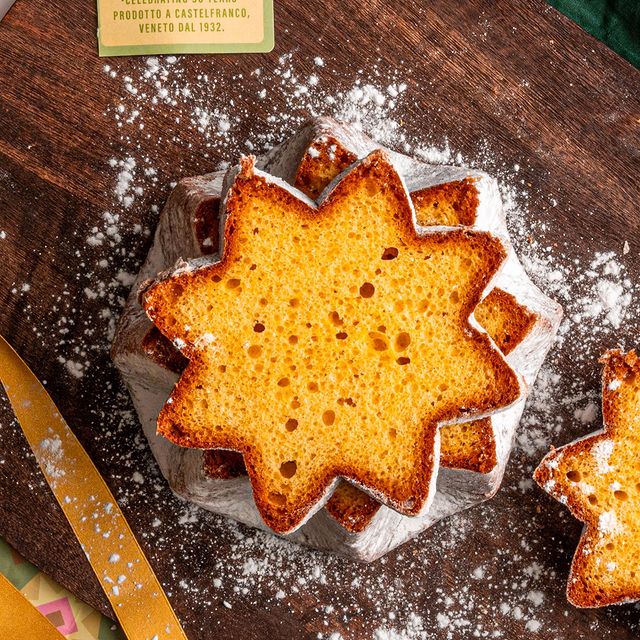
Panettone & Pandoro: Towering, golden festive loaves enjoyed morning, noon, and night!

-
Artisanal Confectionery: Brittle torrone (nougat) packed with fruits and nuts, rich slices of panforte, and dark chocolate pralines.
Bring an Authentic Italian Christmas to Your Table
While a traditional roast turkey certainly has its place, embracing Italian festive food traditions brings incredible variety, rich heritage, and unbeatable flavour to your holiday celebrations.
Whether you are looking for authentic regional panettone, hand-selected olive oils, or luxurious sweet gifts for your host, explore our full Christmas collection at Carluccio's online deli to taste the true spirit of an Italian holiday.