Italian Food Myths and Missteps
Dispelling the Italian Kitchen Confusion..
Italian food is celebrated around the world, yet it is also one of the most misunderstood cuisines on the planet. Many dishes beloved globally under the "Italian" banner are actually modern adaptations or creations invented by immigrants. The concept of an ancient, unchanging Italian culinary canon is largely a myth.
In reality, authentic Italian food relies on simplicity, distinct regional traditions, and superb seasonal ingredients rather than heavy garlic and drowning layers of cheese.
Let Carluccio's clear up some of the most common myths and culinary missteps so you can cook, eat, and appreciate Italian food exactly as it was intended.
Italian Food Myth 1: You Must Add Olive Oil to Boiling Pasta Water
This is perhaps the most persistent kitchen myth of all. The theory goes that adding a splash of oil to the pot prevents the pasta from sticking together.
In truth, doing this is simply a waste of good olive oil. Because oil is less dense than water, it floats right on the surface, doing absolutely nothing for the pasta submerged below. When you eventually drain your pasta, that floating oil clings to the cooked pieces, coating them in a greasy barrier. This slick layer actively prevents your delicious pasta sauce from adhering to the pasta.
The Authentic Fix: Skip the oil in the water. Instead, use a generous amount of boiling water, stir your pasta frequently during the first few minutes of cooking, and save your premium L’oro di Calabria Extra Virgin Olive Oil to drizzle over the finished dish just before serving.
Italian Food Myth 2: Italian Food Is Always "Slow Food" and Demands Hours in the Kitchen
While there is a beautiful culture of slow-cooking in Italy—like a rich, slow-simmered Tuscan ragù—the idea that every Italian meal requires half a day of preparation is entirely false.
In fact, some of the most iconic, comforting, and authentic Italian dishes are designed to be incredibly fast. The daily Italian kitchen thrives on speed, seasonality, and minimal ingredients. A classic Aglio, Olio e Peperoncino takes no longer to make than the time it takes to boil your noodles.
Even when you crave the deep, complex flavours of a slow-cooked meal but don't have the hours to spare, you don't have to compromise. Traditional, slow-braised sauces like our hearty Ragù di Cinghiale (Wild Boar Ragù) are slow-cooked for you by regional producers in Italy. Simply heat the sauce gently in a pan while boiling a premium pasta for a restaurant-quality, authentic meal on the table in under 10 minutes.

Italian Food Myth 3: True Italian Food Is Smothered in Garlic and Cheese
If you step into an authentic trattoria in Italy, you might be surprised to find that dishes are not swimming in heavy garlic or buried under a mountain of melted cheese.
In traditional Italian cooking, garlic is treated with nuance. It is often used whole and crushed to gently perfume the olive oil before being removed from the pan entirely. Similarly, cheese is used as an elegant seasoning to balance a dish, rather than the main event. In fact, adding cheese to seafood pasta (like a traditional Spaghetti alle Vongole) is considered a major culinary error in Italy, as the strong dairy flavours overpower the delicate, fresh taste of the sea.
Italian Food Myth 4: Chicken is a Standard Pasta Topping
Go to any corner of the globe and you are likely to see chicken breast sliced over fettuccine or tossed into a creamy pasta sauce. In Italy, however, this is a major culinary faux pas.
To Italians, pasta is a highly balanced, self-contained course. Chicken is treated as a secondo—a main meat course to be enjoyed on its own after the pasta has been cleared away. You will virtually never find chicken mixed into traditional regional pasta dishes. If you are looking for a meat sauce with genuine heritage, opt for a traditional ragù instead.
Italian Food Myth 5: Cappuccino is an All-Day Drink

In many countries, a creamy, frothy cappuccino is enjoyed at any hour—often alongside a hearty lunch or immediately after a heavy dinner. In Italy, ordering a cappuccino after 11:00 am will raise plenty of eyebrows.
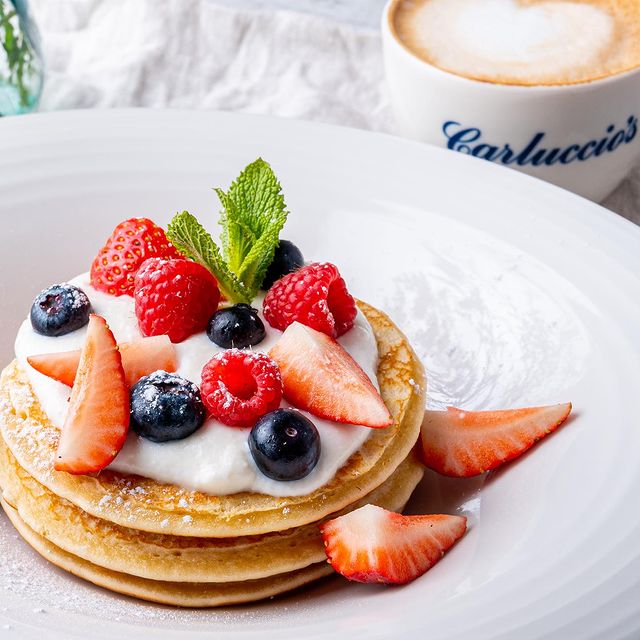
Because of the high milk content, Italians view cappuccino strictly as a breakfast beverage to accompany a morning pastry or sweet. Drinking that much warm milk after a large meal is thought to interfere with healthy digestion. If you want to finish your afternoon or evening meal like a true local, always opt for a simple, robust espresso instead.
Italian food is at its absolute best when we respect the ingredients, appreciate the regional traditions, and let the natural flavours sing. Simple, authentic, and utterly delicious.