What Separates a Good Panettone from an Average One?
The Art of the Rise — What Goes Into A Quality Panettone
In Italy, the arrival of the Carluccio's Panettone boxes signals more than just the Christmas season; it marks the arrival of a masterpiece of patience. While high street shelves are often stacked with "affordable" alternatives, there is a world of difference between a mass-produced loaf and an artisan-crafted panettone.
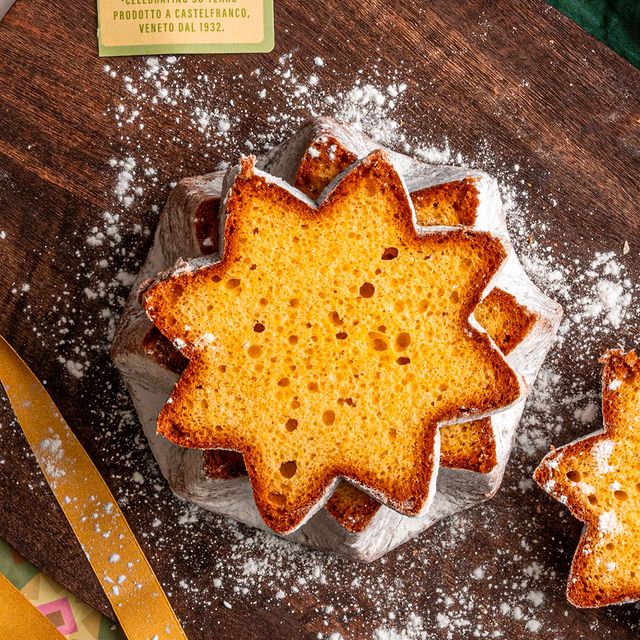
When you tear into a slice, you shouldn’t just see bread; you should see a golden, airy honeycomb of flavour. Here is why the craft matters, and why the supermarket version often falls short.
The Soul of the Bread: ‘Lievito Madre’
The most significant difference begins long before the oven is turned on. A true artisan panettone, like ours, is made using a Lievito Madre (Mother Yeast) that has been nurtured for decades. This natural sourdough starter is a living organism that provides a complex, slightly tangy depth of flavour and a superior, airy rise.
In contrast, mass-produced brands often use industrial brewer’s yeast or chemical leavening agents to speed up production. This results in a ‘cakey’, dense texture that lacks the sophisticated flavour profile and natural digestibility of the original.
The 80-Hour Journey
Time is the secret ingredient that cannot be faked. While industrial factories churn out panettone in a matter of hours, a Carluccio’s panettone takes over 80 hours from start to finish.
This involves multiple stages of kneading and resting, allowing the gluten structure to become incredibly elastic. This is what creates those iconic ‘vertical caves’—the long, silky strands that you can peel away by hand. A high street alternative is often crumbly and dry because it hasn't been given the time to develop this structural magic.
Real Butter vs Substitutes
The colour of the crumb tells the story of the ingredients. A premium panettone should be a vibrant, sunshine yellow. We achieve this by using a high percentage of real Italian butter and rich egg yolks, creating a melt-in-the-mouth richness.
Budget alternatives frequently substitute butter for vegetable oils or ‘butter flavourings’ to keep costs down. This leaves the bread feeling oily rather than velvety, and the flavour often tastes synthetic rather than creamy.

The Fruit and the ‘Hang’
Finally, look at the inclusions. In an artisan panettone, you will find plump, juicy sultanas and large, fragrant chunks of candied citrus peel that provide bursts of moisture. High street versions often use small, hard, shrivelled fruit that disappears into the dough.
Even the cooling process is different. Because our dough is so rich and light, it would collapse under its own weight if left to cool upright. We skewer and hang our panettone upside down for hours to preserve that majestic, airy dome—a labour-intensive step that industrial producers simply don't have the time for.
"A great Panettone is a gift of time. You cannot rush perfection." — Antonio Carluccio
Experience the Difference
The hallmark of a great panettone is that it doesn't need to be toasted or covered in cream to be enjoyed; its moisture and flavour speak for themselves.