What Do Italians Eat During the Winter Months?
A Taste of Italian Seasonality and Traditional Food
As the days grow shorter and a chill fills the air, many of us start dreaming of hearty, comforting meals. But what about in Italy, a country renowned for its vibrant, sun-drenched cuisine? Do Italians simply hibernate with plates of pasta until spring? Not at all! In Italy, winter brings its own unique culinary delights, deeply rooted in seasonality and centuries of tradition.
The Heart of Italian Cuisine: Seasonality
At the core of Italian cooking, no matter the time of year, is a profound respect for stagionalità – seasonality. This isn't just a trend; it's a way of life, ensuring that ingredients are at their peak flavour and nutritional value. Winter, far from being a barren season, offers an abundance of earthy, robust produce that forms the backbone of delicious and warming dishes. Think root vegetables, cruciferous greens, and citrus fruits – all playing a vital role in the Italian winter pantry.
December: A Month of Feasts and Festivities

December in Italy is synonymous with celebration, and the food reflects this joyous atmosphere. Christmas Eve, or La Vigilia, often features a meatless feast, particularly the "Feast of the Seven Fishes" in many southern regions. This elaborate meal can include everything from fried baccalà (salted cod) to delicate seafood pasta.
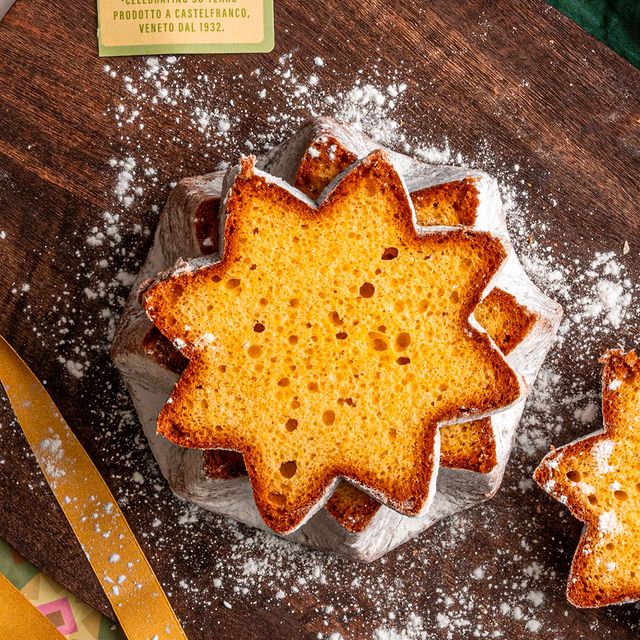
Christmas Day itself is a grand affair, varying by region but always involving substantial and celebratory dishes. You might find cappelletti in brodo (small stuffed pasta in broth) in Emilia-Romagna, roasted meats like lamb or capon, and an array of rich desserts such as panettone or pandoro. The festive spirit extends through New Year's Eve, where lentils are often eaten for good luck and prosperity in the coming year, alongside cotechino or zampone (stuffed pork sausage).
January: Hearty Comforts After the Holidays
After the lavish feasts of December, January ushers in a period of more rustic, comforting, and often economical cooking. It's the time for making the most of stored produce and warming stews. Root vegetables like potatoes, carrots, and turnips feature prominently, as do robust greens such as cavolo nero (black cabbage) and broccoli rabe.
Soups become a staple, from thick ribollita (a Tuscan bread and vegetable soup) to hearty minestrone. Polenta, especially in northern Italy, makes a frequent appearance, often served with rich meat ragùs, braised wild game, or flavourful cheeses. It’s also the season for citrus, with vibrant oranges and mandarins providing a much-needed burst of freshness and vitamin C.

February: A Gradual Shift Towards Spring
February, while still firmly winter, often sees a subtle shift as the first hints of spring begin to emerge. However, the focus remains on hearty, warming dishes to combat the lingering cold. This month often features richer meat dishes, such as brasato al Barolo (beef braised in Barolo wine) or osso buco.
Legumes like cannellini beans and chickpeas are frequently incorporated into stews and pasta dishes, providing both protein and fibre. And of course, pasta remains a constant, with heartier sauces featuring slow-cooked meats, mushrooms, or rich vegetable bases. As Carnival approaches, you might also find sweet treats like chiacchiere (fried pastry strips) appearing in bakeries.
For many, the winter season will be boom and bust - heavy feasting over Christmas, followed by restraint in the new year. Even in Italy this is somewhat true, but in those colder months, but it will never mean foregoing delicious, satisfying food.
If you want tasty and authentic Italian food all winter long, check out our online shop now for seasonal goodies.